Încercaţi să căutaţi în funcţie de cuvinte-cheie, codul produsului sau codul de comandă ori numărul de serie, de exemplu, „CM442” sau „Informaţii tehnice”
Introduceţi cel puţin 2 caractere pentru a începe căutarea.
Obţinerea stabilităţii procesului în cuptorul rotativ pentru o producţie eficientă de clincher
Funcţionarea stabilă a cuptorului rotativ este esenţială pentru menţinerea unei calităţi constante a clincherului şi pentru asigurarea unei producţii eficiente de ciment. Aceasta depinde de controlul precis al procesului de ardere, al compoziţiei gazelor şi al condiţiilor termice din întregul sistem al cuptorului, în special în zona de ardere, unde procesul este cel mai sensibil la perturbări. Funcţionarea stabilă a cuptorului se bazează pe monitorizarea continuă a variabilelor critice de proces, precum concentraţiile de O₂ şi CO, temperatura şi tirajul. Analiza robustă a gazelor la intrarea în cuptor furnizează datele necesare pentru un control precis al cuptorului, detectarea timpurie a perturbărilor şi menţinerea unor condiţii optime de funcţionare, chiar şi în contextul utilizării tot mai frecvente a combustibililor alternativi.
În secţiunile următoare este prezentat modul în care soluţiile de măsurare contribuie la optimizarea funcţionării cuptorului rotativ şi la îmbunătăţirea controlului procesului în condiţiile dificile specifice exploatării acestuia.
Descoperiţi potenţialul de îmbunătăţire a funcţionării cuptorului rotativ
Descoperiţi modul în care măsurările specifice contribuie la îmbunătăţirea performanţei procesului de ardere, la controlul ciclurilor compuşilor volatili şi la stabilizarea condiţiilor de la intrarea în cuptor pe întregul parcurs al procesului din cuptorul rotativ.
Sistemul de alimentare cu combustibil al cuptorului
Informaţii utile
Îmbunătăţiţi stabilitatea procesului printr-un control fiabil al alimentării cu combustibil
Utilizarea tot mai frecventă a combustibililor alternativi duce la variaţii ale puterii calorifice, conţinutului de umiditate şi compoziţiei cenuşii, motiv pentru care controlul procesului de ardere devine mai dificil. Analiza continuă a gazelor la intrarea în cuptor le permite operatorilor să ajusteze condiţiile de ardere, să prevină perturbările de proces şi să menţină o funcţionare predictibilă a cuptorului.
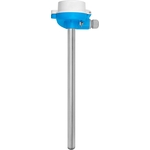
Îmbunătăţiţi controlul arzătorului pentru a menţine un profil termic uniform: măsurarea precisă a temperaturii cu iTHERM TM151 şi utilizarea unei teci de termocuplu robuste, precum iTHERM TAF16, prevăzută cu material rezistent la abraziune, asigură monitorizarea fiabilă şi contribuie la stabilizarea comportamentului de ardere în zona de ardere
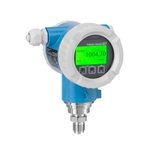
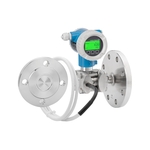
Stabilizaţi condiţiile de presiune pentru un control mai eficient al cuptorului: monitorizarea presiunii cu Cerabar PMP71B şi măsurarea presiunii diferenţiale cu Deltabar PMD78B oferă informaţii detaliate privind tirajul şi comportamentul fluxului de gaze, permiţând un control consecvent al cuptorului
Asiguraţi analiza continuă a gazelor pentru detectarea timpurie a abaterilor procesului de ardere: sistemele de analiză a gazelor de proces MCS300P HW, împreună cu soluţiile de prelevare a probelor la intrarea în cuptor SCPS permit măsurarea continuă a concentraţiilor de O₂, CO, SO₂ şi Hcl, precum şi a altor indicatori ai procesului de ardere
Îmbunătăţiţi eficienţa energetică şi reduceţi variabilitatea emisiilor: MEAC300 oferă o evaluare clară a datelor privind emisiile, ajutând operatorii să reducă consumul de combustibil, să optimizeze procesul de ardere şi să menţină producţia de ciment în conformitate cu cerinţele de mediu
Menţineţi un proces de ardere stabil şi preveniţi fluctuaţiile procesului: controlaţi performanţa arzătorului în cazul utilizării combustibililor alternativi cu Promass I 300
Informaţii detaliate
Controlul ciclurilor compuşilor volatili şi prevenirea perturbărilor proceselor
Ciclurile compuşilor volatili pot perturba stabilitatea procesului din cuptorul rotativ şi pot afecta calitatea clincherului din producţia de ciment. Recircularea sulfului, clorului şi alcalilor provoacă o instabilitate a compoziţiei gazelor, favorizând formarea depunerilor şi crustelor şi crescând variabilitatea în zona de ardere. Monitorizarea continuă a principalilor indicatori ai procesului permite detecţia timpurie a acestor fenomene şi permite un control fiabil al cuptorului.
Monitorizaţi acumularea compuşilor volatili înainte ca aceştia să afecteze funcţionarea cuptorului: analiza continuă a gazelor cu MCS300P HW permite măsurarea precisă a concentraţiilor de SO₂, HCl şi a altor componente relevante, oferind informaţii timpurii privind ciclurile sulfului şi clorului
Stabilizaţi compoziţia gazelor pentru a preveni blocarea cicloanelor şi formarea crustelor: prelevarea probelor de gaz cu SCPS, alături de analiza în timp real, permite controlul recirculării compuşilor volatili. Măsurarea temperaturii cu iTHERM TM152 asigură menţinerea unor condiţii de reacţie consecvente
Identificaţi din timp perturbările care afectează zona de ardere şi calitatea clincherului: în combinaţie cu monitorizarea presiunii prin Cerabar PMP71B, operatorii obţin informaţii detaliate privind dezechilibrele fluxului de aer şi instabilitatea procesului
Detectaţi perturbările procesului pentru a îmbunătăţi controlul cuptorului: Soluţia de monitorizare a stării permite monitorizarea de la distanţă, prin cloud, a parametrilor esenţiali ai dispozitivelor. Analizoarele conectate transmit date către aplicaţiile de monitorizare, permiţând identificarea timpurie a tendinţelor şi implementarea întreţinerii bazate pe stare, pentru reducerea costurilor şi duratelor de nefuncţionare
Stabilizarea compoziţiei gazelor la intrarea în cuptor, pentru un control precis al cuptorului rotativ
Compoziţia gazelor la intrarea în cuptor are un rol esenţial în performanţa cuptorului rotativ şi în calitatea clincherului în producţia de ciment. Comportamentul procesului de ardere, ciclurile compuşilor volatili şi perturbările provenite din etapele anterioare ale procesului converg în acest punct critic. Monitorizarea continuă la intrarea în cuptor permite detecţia timpurie a modificărilor procesului.
Optimizaţi monitorizarea concentraţiilor de O₂ şi CO pentru îmbunătăţirea procesului de ardere: analiza gazelor cu MCS300P HW în combinaţie cu soluţiile de eşantionare la temperaturi ridicate SCPS, asigură măsurarea fiabilă a concentraţiilor de oxigen şi monoxid de carbon
Menţineţi condiţiile termice la intrarea în cuptor pentru reglarea zonei de ardere: măsurarea temperaturii cu iTHERM TAF16 oferă informaţii privind regimul termic, contribuind la reglarea transferului de căldură şi la menţinerea unei calităţi constante a clincherului
Echilibraţi tirajul şi fluxul de gaze pentru îmbunătăţirea performanţei cuptorului: monitorizarea presiunii cu Cerabar PMP71B şi măsurarea presiunii diferenţiale cu DeltabarPMD78B oferă vizibilitate asupra debitului de gaz şi condiţiilor de tiraj
Caracteristici cheie ale produsului
Produse esenţiale pentru funcţionarea eficientă a cuptorului rotativ
Descoperiţi cum Ciments Calcia îşi transformă unităţile de producţie din Franţa prin inovaţii cu emisii reduse de carbon, producţia de clincher de ultimă generaţie şi sisteme de analiză a gazelor de înaltă performanţă, aplicate cu rapiditate şi fiabilitate.
Optimizaţi etapa de preîncălzire cu soluţii de măsurare avansate care îmbunătăţesc controlul procesului şi reduc consumul de energie.
/
Întrebări frecvente
Întrebări frecvente privind funcţionarea stabilă a cuptorului rotativ
Întrebările de mai jos abordează principalele provocări legate de măsurare în exploatarea cuptoarelor rotative şi arată modul în care monitorizarea continuă contribuie la controlul cuptorului, la menţinerea calităţii clincherului şi la îmbunătăţirea performanţei de mediu în producţia de ciment.
Producţia de clincher: îmbunătăţirea eficienţei energetice şi reducerea emisiilor
Descoperiţi modul în care o producţie stabilă de clincher îmbunătăţeşte eficienţa energetică, reduce emisiile şi contribuie la respectarea cerinţelor de mediu aflate în continuă evoluţie.
Îmbunătăţiţi stabilitatea cuptorului rotativ printr-un control precis al arderii
Înţelegeţi modul în care factorii determinanţi ai procesului, perturbaţiile şi provocările legate de măsurare influenţează stabilitatea cuptorului rotativ, controlul arderii şi performanţa producţiei de clincher.
Respectăm confidenţialitatea dumneavoastră
Utilizăm module cookie pentru a optimiza experienţa dumneavoastră de navigare şi pentru a colecta date statistice în vederea optimizării funcţionalităţii site-ului web şi pentru a vă oferi reclame sau conţinuturi personalizate.
Prin selectarea opţiunii „Acceptare totală”, vă oferiţi consimţământul privind utilizarea modulelor cookie.
Pentru detalii suplimentare, vă rugăm să citiţi Politica noastră privind modulele cookie .